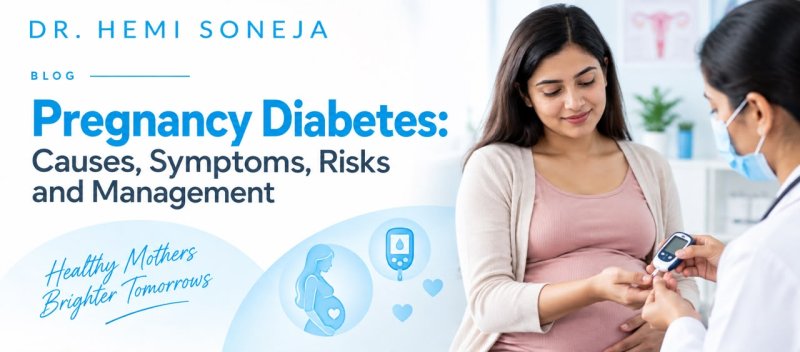
Pregnancy is a time when the body goes through many physical and hormonal changes. One condition that can develop during this period is pregnancy diabetes, also known as gestational diabetes. It occurs when blood sugar levels become higher than normal during pregnancy in a woman who did not have diabetes before pregnancy. With proper monitoring and treatment, most women with gestational diabetes can have a healthy pregnancy and a healthy baby.
What Is Pregnancy Diabetes?
Pregnancy diabetes develops when the body cannot produce enough insulin to meet the increased needs of pregnancy. Insulin helps move sugar from the blood into the body's cells, where it is used for energy.
During pregnancy, hormonal changes can make the body's cells less responsive to insulin. This is known as insulin resistance. As insulin resistance increases, the pancreas needs to produce more insulin to keep blood sugar within a healthy range. If the body cannot produce enough insulin, blood sugar levels can rise and lead to gestational diabetes.
It commonly develops during the second trimester, which is why screening is generally recommended around 24 to 28 weeks of pregnancy. Women with certain risk factors may need testing earlier.
Causes of Pregnancy Diabetes
The exact cause of gestational diabetes is not always clear. Pregnancy hormones play an important role because they can reduce insulin effectiveness.
Some women may already have a higher level of insulin resistance before becoming pregnant. As pregnancy progresses and insulin needs increase, the body may not produce enough insulin to compensate.
Factors such as being overweight before pregnancy, having a family history of type 2 diabetes, previous gestational diabetes, polycystic ovary syndrome (PCOS), or having previously delivered a baby with a high birth weight can increase the risk.
Symptoms of Pregnancy Diabetes
Gestational diabetes often does not cause noticeable symptoms. This is one of the main reasons routine screening during pregnancy is important.
When symptoms do occur, they may be mild and can include:
- Increased thirst
- Frequent urination
- Feeling more tired than usual
- Occasional nausea
These symptoms can also occur during a normal pregnancy, so they cannot confirm gestational diabetes. Blood sugar testing is needed for an accurate diagnosis.
Risks of Uncontrolled Pregnancy Diabetes
When gestational diabetes is not properly managed, high blood sugar can increase the risk of complications for both the mother and baby.
For the mother, possible complications include high blood pressure, preeclampsia, and a greater chance of needing a cesarean delivery.
For the baby, uncontrolled blood sugar may increase the risk of excessive birth weight, premature birth, breathing difficulties, and low blood sugar shortly after birth. Children born after a pregnancy affected by gestational diabetes may also have a higher risk of developing obesity and type 2 diabetes later in life.
Having gestational diabetes also increases the mother's future risk of developing type 2 diabetes, making long-term blood sugar monitoring important.
How Is Pregnancy Diabetes Diagnosed?
Screening is commonly performed between 24 and 28 weeks of pregnancy. Women with a higher risk may be tested earlier.
A glucose screening test may be used first. If the result is higher than the expected range, a longer glucose tolerance test may be recommended to determine whether gestational diabetes is present.
Your healthcare provider will explain the appropriate test and interpretation of the results based on your pregnancy and health history.
Management of Pregnancy Diabetes
Managing blood sugar during pregnancy is important for protecting both mother and baby. Treatment usually begins with lifestyle measures and regular monitoring.
Monitor Blood Sugar
Your healthcare provider may recommend checking your blood sugar at specific times during the day. Keeping track of your readings can help determine whether your treatment plan is working.
Follow a Healthy Eating Plan
A balanced diet can help maintain steady blood sugar levels. Meals should include appropriate portions of carbohydrates, protein, vegetables, fiber, and healthy fats. Limiting sugary drinks and highly processed foods can also be helpful.
Stay Physically Active
Regular, pregnancy-appropriate physical activity can help the body use glucose more effectively and improve insulin sensitivity. Always discuss suitable exercises with your healthcare provider before starting or changing an exercise routine during pregnancy.
Medication When Needed
If healthy eating and physical activity do not keep blood sugar within the recommended range, your doctor may prescribe medication. Insulin is commonly used, while some women may be prescribed other medicines depending on their individual circumstances.
Can Pregnancy Diabetes Be Prevented?
Gestational diabetes cannot always be prevented because pregnancy hormones, genetics, and other factors play a role. However, maintaining a healthy lifestyle before pregnancy may help reduce the risk.
If you are overweight before becoming pregnant, gradual weight management, a balanced diet, and regular physical activity may be beneficial. However, intentional weight loss is generally not recommended during pregnancy unless specifically advised by your healthcare provider.
Final Thoughts
Pregnancy diabetes is a common condition that requires attention but can usually be managed effectively. Because it may not cause obvious symptoms, timely screening is essential. Following your healthcare provider's advice, monitoring blood sugar, eating well, staying active, and taking medication when prescribed can help support a healthier pregnancy and reduce potential complications.