Top Best Hypothyroidism Specialist in Gurgaon | Dr. Hemi Soneja
Hypothyroidism is a medical condition of underactive thyroid in which the thyroid gland does not have sufficient thyroid hormone for normal body functioning. The thyroid gland is near the neck, closeby base of the throat, and makes hormones that assist in controlling some body's vital metabolic processes like BP, heart rate, weight, and body temperature. It is the most common thyroid disorder, primary or secondary. Primary condition means that the thyroid gland is diseased, and problems with the pituitary gland cause secondary condition. Hypothyroidism needs proper and early treatment, and your visit to the best hypothyroidism specialist is mandatory.
Table of content
- Top Best Hypothyroidism Specialist in Gurgaon | Dr. Hemi Soneja
- Which Specialist Treats Hypothyroidism?
- Causes of Hypothyroidism
- Hypothyroidism: When to See a Specialist?
- Signs & Symptoms of Hypothyroidism
- Difference Between Hypothyroidism vs hyperthyroidism
- Frequently Asked Questions
Which Specialist Treats Hypothyroidism?
Hypothyroidism is a common thyroid gland disorder in which the glands do not produce enough hormones. You must see an endocrinologist specializing in diagnosing, managing, and treating the thyroid gland. These Hypothyroidism specialists have experience in the newest thyroid treatments and can help patients manage it well to live a healthy life. Thyroid conditions need regular monitoring and communication which is the key to effective management.
Consult a thyroid specialist to get yourself checked, the professional will do a physical examination of your thyroid gland to check if it is enlarged, as sometimes the gland is normal or smaller than normal size. The examination will also help them know other things like high diastolic BP, thin, brittle hair, coarse facial features, dry skin, reflexes, and arms and legs swelling. You may also have to get some tests done like cholesterol levels, CBC, liver enzymes, prolactin, sodium, etc.
If you seek the best hypothyroidism specialist in Gurgaon, consult Dr. Hemi Soneja for the best thyroid treatment with appropriate medical care.
Causes of Hypothyroidism
It is an underactive thyroid condition that occurs when the thyroid gland in the body creates less than the normal amount of hormone needed for a body to function. This slows down somebody's functions; however, it is permanent and can be managed and treated well. Hypothyroidism, if left untreated and neglected, can lead to other complications like high cholesterol levels and can sometimes be life-threatening as well. Thus it is vital to understand the condition well and know its causes. It is necessary to know the causes of Hypothyroidism, including:
- Iodine deficiency - It is one of the causes of Hypothyroidism as lack of iodine can prevent the thyroid gland from making hormones, and the thyroid enlarges to comply with the pituitary gland's chemical messages to produce more hormones.
- Immune disorder - It is also the cause of the condition that occurs when the immune system that fights infection attacks the thyroid gland and damages it, leading to the thyroid gland's incapability to produce hormones. The condition is called Hashimoto's disease.
- Previous thyroid treatment - It is another cause that is a side effect or prior thyroid treatment of overactive thyroids like surgery or radioactive iodine therapy.
- Certain medications - Some medications also cause Hypothyroidism, including lithium.
- Some conditions at the birth time- Some conditions when you are born can lead to Hypothyroidism, like being born with no thyroid gland or improper functioning of the gland since birth.
Some risk factors of Hypothyroidism that make a person more prone to it include autoimmune disease. Thyroid surgery history, pregnancy, head or neck radiation therapy, or stopping or starting some medications. It is vital to consult the best hypothyroidism specialist in Gurgaon to get yourself checked if you experience any of the below-listed signs and symptoms of Hypothyroidism or if you are at risk of developing the condition.
Hypothyroidism: When to See a Specialist?
The thyroid gland plays an important role in how the human body functions and an imbalance in the working of the gland impacts a person's body in many ways, including energy levels, metabolism, heart rate, bowels, mood, cholesterol levels, and women's menstrual cycles and weight. You must see one of the best hypothyroidism specialists if you experience any one or more than one symptom of thyroid disorders, as it is the time to visit a specialist to get yourself checked. If you notice that -
- Your weight has changed significantly.
- If you notice any changes in terms of appearance.
- If you are miserable.
- If you are more tired than before.
- If you are always uncomfortable in terms of hot or cold.
- If you skipped your periods.
Also, in some cases, people never experience any signs and symptoms, which does not mean you cannot get the condition. Sometimes, patients might feel a bump on the neck, which can be a sign but not detected without physical examination. Your on-time visit to a specialist will help you with early diagnosis and your chances of developing the condition.
Signs & Symptoms of Hypothyroidism
Hypothyroidism is a type of thyroid disorder in which a person has an underactive thyroid gland that cannot produce an adequate amount of thyroid hormone, which leads to a slowdown of body functions. However, the effect of Hypothyroidism on a person’s body varies and thus can be difficult to identify many times. Also, keep in mind that Hypothyroidism develops at a slow pace over time, and you may not notice signs or symptoms of the disease for months or even years. The symptoms and signs of the condition are affected by the severity of the condition. Symptoms include:
Also, it is possible to develop thyroid during pregnancy, and symptoms may be similar to those of other hypothyroidism cases. Also, some infants develop hypothyroidism symptoms like sleeping more than usual, constipation, feeding difficulty, and delayed growth. If you notice any of the above-listed signs and symptoms, visit the best hypothyroidism specialist in Gurgaon to get yourself checked. Usually, the treatment of Hypothyroidism is done by prescribing a pill, and you have to undergo a thyroid test every six months to adjust your dose if needed.
Difference Between Hypothyroidism vs hyperthyroidism
There are mainly types of thyroid conditions: Hypothyroidism and Hyperthyroidism. The first one is Hyperthyroidism, which is an overactive thyroid condition in which the thyroid gland makes too much of hormones. Hyperthyroidism is an underactive thyroid condition in which the gland cannot produce sufficient thyroid hormone and which disturbs the body's functions. The primary difference between the two is hormone production.
In Hypothyroidism, the gland produces hormones at a slow rate, which leads to lower levels of hormones, and in hyperthyroidism, the gland produces more hormones than required, which leads to too many hormones. Both types of thyroid conditions are equally problematic. However, Hypothyroidism can be treated easier and leads to fewer long-term health issues as compared to hyperthyroidism. Consulting the best hypothyroidism specialists, like Dr Hemi Soneja in Gurgaon, will help you manage and treat the condition well. She will provide medical advice for thyroid conditions and develop a safe as well as effective treatment plan as per your conditions to help you lead a healthy life.
Frequently Asked Questions
1. What are the common symptoms of thyroid disorders?
Thyroid disorders can manifest in various ways. Common symptoms include fatigue, weight changes, hair loss, irregular periods, and sensitivity to temperature. However, symptoms can vary between hypothyroidism and hyperthyroidism.
2. How is thyroid disease diagnosed?
Diagnosis involves blood tests to measure thyroid hormone levels (TSH, T3, T4), imaging tests like ultrasound, and sometimes physical examinations. Your healthcare provider may also check for antibodies and other markers to identify autoimmune conditions.
3. What are the causes of hypothyroidism and hyperthyroidism?
Hypothyroidism can result from factors like autoimmune disorders (Hashimoto's thyroiditis), iodine deficiency, and certain medications. Hyperthyroidism may be caused by Grave's disease, thyroid nodules, excessive iodine, or over-response to hyperthyroidism treatment.
4. How are thyroid disorders treated?
Treatment varies based on the type of thyroid disorder. Hypothyroidism is typically managed with thyroid hormone replacement medications. Hyperthyroidism may involve medications, radioactive iodine therapy, or surgery to regulate hormone levels.
5. Are thyroid nodules always cancerous?
No, most thyroid nodules are benign (noncancerous). However, a thorough evaluation, including ultrasound and fine needle aspiration, is necessary to determine their nature. Thyroid cancer, while more common in women, can be effectively treated if detected early.
6. Am I at a risk of developing Diabetes?
According to diabetes doctors in Gurgaon your risk of developing Type 2 Diabetes depends on various factors including family history, your personal history including lifestyle, weight, other medications and medical problems including thyroid problems, chronic steroid use, hypertension, etc. But don’t Dr Hemi will guide you & also help you in managing diabetes while on steroids in order to avoid any consequences.
Our Best Diabetes & Obesity Medicine Specialist Doctor
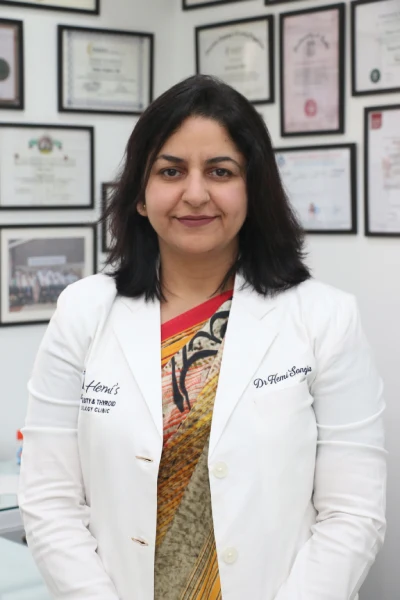
DR. Hemi Soneja
MBBS, DGO, Diplomate,
American Board of Family Medicine & Obesity Medicine
Senior Consultant in Diabetes & Obesity Medicine
18+ years of experience
09:0am - 02:00pm
Monday -Saturday
Directions | Book Appointment
Our Top Speciality
Our Other Services
Our Latest Blogs